
9 Google maps ranking factors for higher local visibility: profile, reviews, nap, and website seo
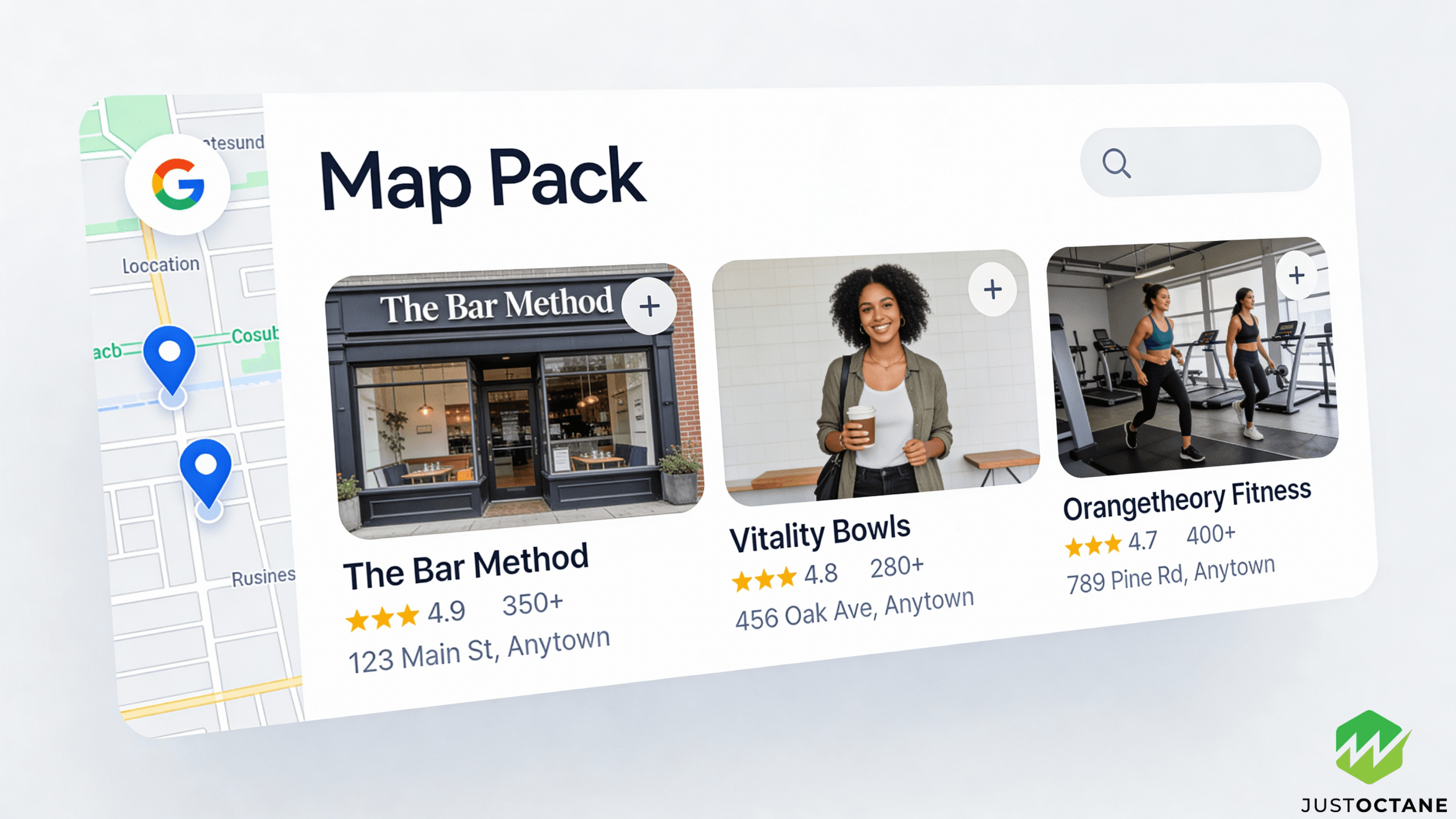
Ranking in Google Maps isn’t about one “hack.” It’s about building a clearer, more trustworthy local presence so Google can confidently match your business listing to the right searches—and so customers actually choose you once you appear. This guide combines Google Business Profile (GBP) optimization, local SEO on your website, and reputation signals to help you rank higher in the Map Pack (the local pack) and turn visibility into calls, direction requests, and sales. Below are 17 practical ranking factors grouped into nine sections so you can prioritize what moves the needle fastest.
If you want a quick keyword foundation before you edit anything, start with local keywords and service-area searches.
1) How Google Local Results Work: Relevance, Distance, and Prominence
Google states that local rankings are primarily based on relevance, distance, and prominence. Relevance is how well your business profile and website match the query. Distance is how close the searcher is to your location (or the area they specify). Prominence reflects how well-known and trusted your business appears online and offline.
Distance can’t be “optimized” directly, but you can improve relevance and prominence by completing your information, choosing accurate categories, publishing helpful local content, earning reviews, and building authority. Google’s own overview is worth reading: “Tips to improve your local ranking on Google”.
2) Complete Your Google Business Profile: Name, Categories, Services, and GBP Features
Your Google Business Profile (formerly Google My Business) is the foundation of Google Maps SEO. Treat it like a product page: accurate, complete, and updated. Start with the basics—real-world business name, correct address or service-area settings, and a local phone number. Avoid adding keywords to your business name. It’s a common reason for visibility issues and even suspension.
Then focus on “relevance fields” that influence what you can rank for: primary category, secondary categories, services, products, and attributes. Choose the primary category that best matches what you actually are (not what you wish you ranked for), and use services/products to clarify specialties without stuffing the description.
If you’re a service-area business, be precise about where you work and whether customers can visit your address. Inconsistent settings (showing an address while operating as a home-based SAB) can cause trust problems and ranking volatility.
3) NAP Consistency: Match Your Website, Directories, and Citations
NAP (name, address, phone) consistency is a practical trust signal. When your website, business listings, and citations disagree—even slightly—Google has to guess which data is correct, and that uncertainty can suppress rankings. Use the same formatting everywhere (suite numbers, abbreviations, tracking numbers, and business name variations are the usual culprits).
On your website, place NAP on the contact page and in the footer, and make sure it matches your GBP exactly. If you have multiple locations, give each location a dedicated page with unique local details, not duplicate templates.
4) Reviews Strategy: Volume, Velocity, Responses, and Policy-Safe Requests
Reviews help both rankings and conversions. More importantly, they help shoppers pick between otherwise similar map results. Research has repeatedly linked online reviews to sales outcomes, including “Reviews, Reputation, and Revenue: The Case of Yelp.com”.
Build a process that earns steady feedback. Ask every satisfied customer, make it easy (short link or QR code), and respond to reviews with specifics: what you did, where you did it, and the service type. This naturally reinforces topical relevance without forcing keywords.
Avoid review gating, incentives, or asking for “only 5-star reviews.” Also watch for prohibited content, including fake engagement or restricted material (“Prohibited & restricted content”). If a review violates policy, use Google’s reporting flow.
5) Photos, Posts, Q&A, and Engagement Signals That Improve Click-Through
Engagement doesn’t replace the fundamentals, but it can improve click-through rate from search results, which often correlates with better long-term visibility. Add high-quality photos regularly (exterior, interior, team, work examples) and keep key details current: hours, holiday hours, and offers.
Use Google Posts to highlight updates, seasonal services, and proof (before/after, case snapshots, new inventory). Posts also give you a safe place to add timely keyword context.
Don’t ignore Q&A. Seed common questions with accurate answers from your account, and monitor for spam. A quick myth to avoid wasting time: “geotagging” images isn’t a reliable lever—focus on photo quality, relevance, and consistency instead.
6) Website SEO for Google Maps: Local Pages, Keywords, and Structured Data
Your website is often the tie-breaker in competitive areas. Strong on-page SEO helps Google understand what you do and where you do it, while also earning links and branded searches that support prominence.
Create local landing pages that match how people search: core service + city/area, plus supporting pages for specific services, neighborhoods, or “near me” intent (only when you can legitimately serve those areas). Map this content to the queries you want using local keywords and service-area searches.
Make your pages unmistakably local: visible NAP, embedded map, clear service area, testimonials, and FAQs that reflect real customer concerns. Add LocalBusiness schema (and keep it aligned with your GBP) using “Local business (LocalBusiness) structured data”. Technical basics matter too: fast mobile performance, crawlable pages, and titles that describe the service and location.
7) Local Authority Signals: Backlinks, Citations, PR, and Offline Prominence
Prominence is where many businesses get stuck. If two listings are equally relevant and equally close, authority signals often decide who ranks higher. That means earning real mentions and backlinks from local organizations, industry associations, news sites, suppliers, and community partners—not buying random links.
Start with local link opportunities and citations, then look for partnerships that create genuine visibility: sponsorships, scholarships, speaking events, local charities, and collaborations that produce press and links. Over time, this strengthens your overall online presence and makes your brand the one searchers recognize.
8) Tracking, Attribution, and Why Rankings Look Different for Everyone
Maps rankings are highly personalized by location, device, and search history. Instead of checking from your office and assuming that’s “the ranking,” measure outcomes: calls, direction requests, form fills, and booked appointments. If you need rank visibility, use a geo-grid rank tracker so you can see coverage across multiple points in your service area.
Use UTM-tagged links on your GBP website button so you can see Google Maps traffic in analytics. In GA4, create a dedicated “GBP / Maps” channel view (via UTM source/medium) and track conversions like calls and lead forms. If you use call tracking, keep it compliant: ideally use one tracking number on your website (with number swapping) while keeping your primary number consistent across citations and your profile.
- GBP Performance: searches, views, calls, direction requests, and clicks.
- GA4: engaged sessions, conversion rate, and revenue/lead value from UTM traffic.
- Lead quality: which services and areas actually convert.
- Reputation: review volume, rating, response rate, and sentiment trends.
9) Why Businesses Rank Lower on Google Maps (and What to Fix First)
If you’re not ranking, don’t only “add more keywords.” Most problems come from trust, relevance mismatches, or profile issues. Start by auditing the basics: categories, service areas, hours, and NAP consistency. Then check for duplicates (old addresses, practitioner listings, or past tenants) that may be splitting signals.
Next, look for policy risk. Keyword-stuffed business names, virtual offices, and misleading addresses often lead to filters or suspensions. Also review access to your profile: remove unused managers and keep ownership secure to prevent hijacks or damaging edits. If you’ve recently dropped, compare recent edits (name/category/address changes), review activity, and website changes. If you are suspended, align your listing to the guidelines, gather proof (license, utility bill, signage photos), and request reinstatement. When the cause isn’t obvious, follow a structured recovery plan like how to fix a Google Maps ranking drop.
Finally, remember that competitors can suppress your visibility through spam. If a competitor is violating guidelines, document it and report it through the appropriate channels. Cleaning up a spammy map pack can be one of the fastest ways to improve your own position.
Common Questions
1. Which primary signals determine Google Maps/local-pack ranking?
Google states local results are driven mainly by relevance (how well a profile matches the search), distance/proximity (how close the business is to the searcher or specified location), and prominence (how well-known and authoritative the business appears). Independent industry studies (Moz, Whitespark, BrightLocal) confirm these three categories—plus supporting signals such as reviews, citations, and on-site authority—consistently correlate with higher local-pack placement.
2. How much do online reviews influence local rankings and customer choice?
Empirical surveys and ranking-factor studies show reviews influence both consumer behavior (clicks and conversions) and ranking signals. Reviews are not the sole ranking factor but are a measurable prominence/relevance signal: businesses with more and higher-quality reviews tend to appear higher in local results and receive higher click-through rates. Academic and industry research treat reviews as correlated with prominence rather than a single causal lever—improving reviews helps both consumer trust and the prominence signal Google uses.
3. Does consistent NAP (name, address, phone) data still matter for local SEO?
Yes. Multiple industry studies and Google’s own guidance show that accurate and consistent NAP data across your Google Business Profile, website, and third-party directories helps Google verify and trust the business location and details. Inconsistent or conflicting citations can increase uncertainty and reduce visibility; consistent citations improve the prominence and trust signals used in local ranking algorithms.
4. How does your website (technical and on-page SEO) affect Google Maps/local-pack performance?
Although the local-pack is driven by your Google Business Profile, your website still contributes to prominence and relevance. Factors with documented impact include mobile usability, page speed (Core Web Vitals), secure connection (HTTPS), clear local content (city/service pages), and structured data (LocalBusiness schema). These elements improve user experience and site authority, indirectly supporting better local visibility and higher click-through from maps/search.
5. Google favors proximity—what practical, research-backed tactics work if your business is far from many customers?
Because proximity is an algorithmic factor you can’t change, apply these evidence-backed tactics to compete at a distance: (1) use service-area settings and clearly state service zones on your site and GBP profile; (2) create localized landing pages for target towns/neighborhoods with unique content; (3) earn local backlinks and mentions in those target areas (news, local directories, partners) to boost localized prominence; (4) collect reviews from customers in those areas to strengthen local relevancy. Industry research shows localized content, regional links, and targeted citations improve visibility even when physical distance is a disadvantage.
Google Maps SEO works best when your business profile, website, and real-world reputation all tell the same story. Fix the fundamentals, publish local content that answers real questions, earn legitimate backlinks, and track conversions—not just rankings.